If your child plays soccer, basketball, or runs track, and frequently complains of heel pain after practice, you might write it off as standard “growing pains.” However, persistent heel pain in children between the ages of 8 and 14 is frequently caused by a condition known as Sever’s Disease.
What is Sever’s Disease?
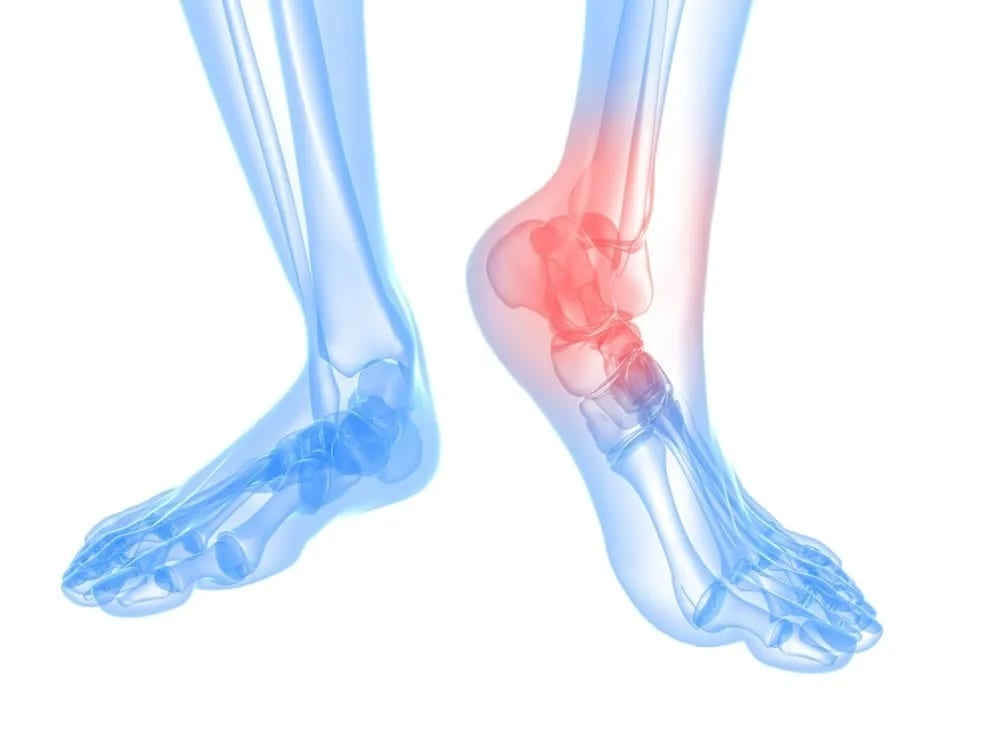
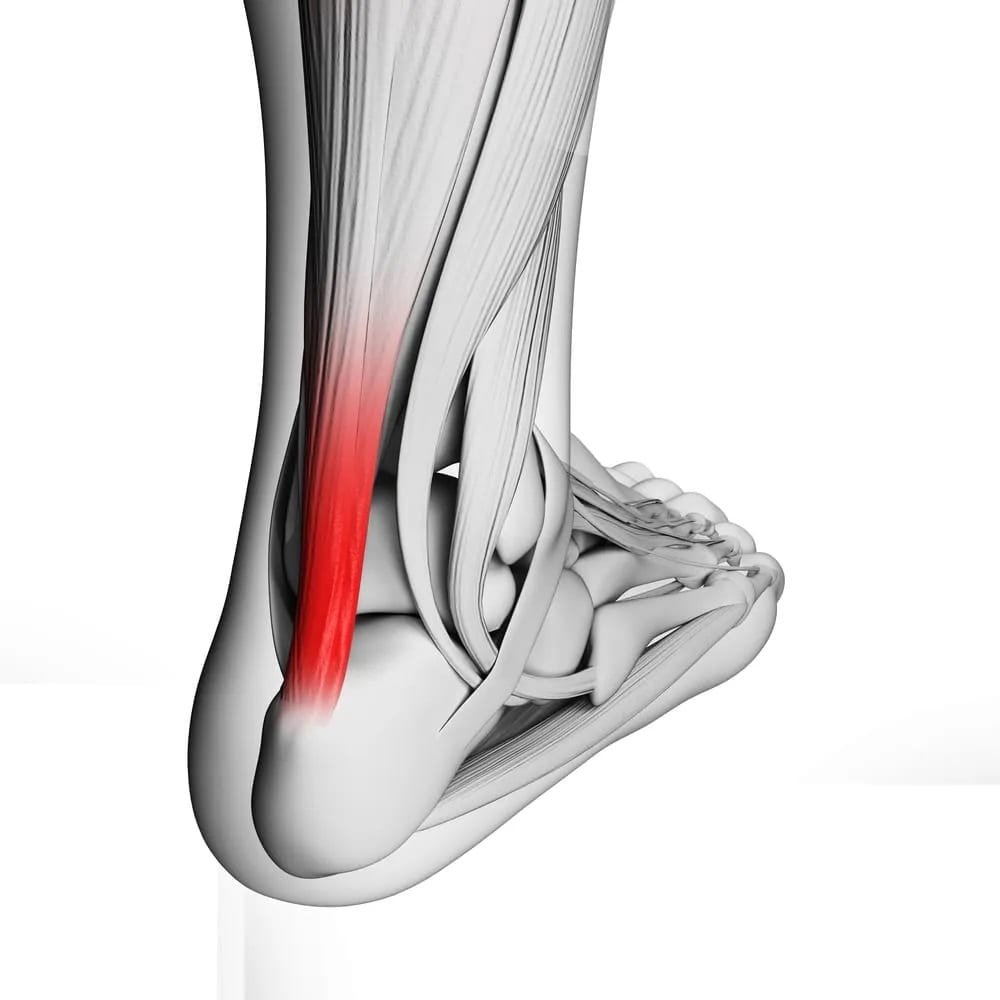
Despite the scary name, Sever’s Disease is not a true “disease.” It is an inflammation of the growth plate in the heel bone (calcaneus). During growth spurts, the heel bone sometimes grows faster than the leg muscles and tendons. This causes the Achilles tendon to pull tightly on the heel’s growth plate, causing inflammation and pain, especially during high-impact sports.
Growing Pains vs. Sever’s Disease: How to Tell the Difference
- Growing Pains: Usually occur at night, affect both legs (often in the thighs or calves), and do not typically interfere with daytime sports.
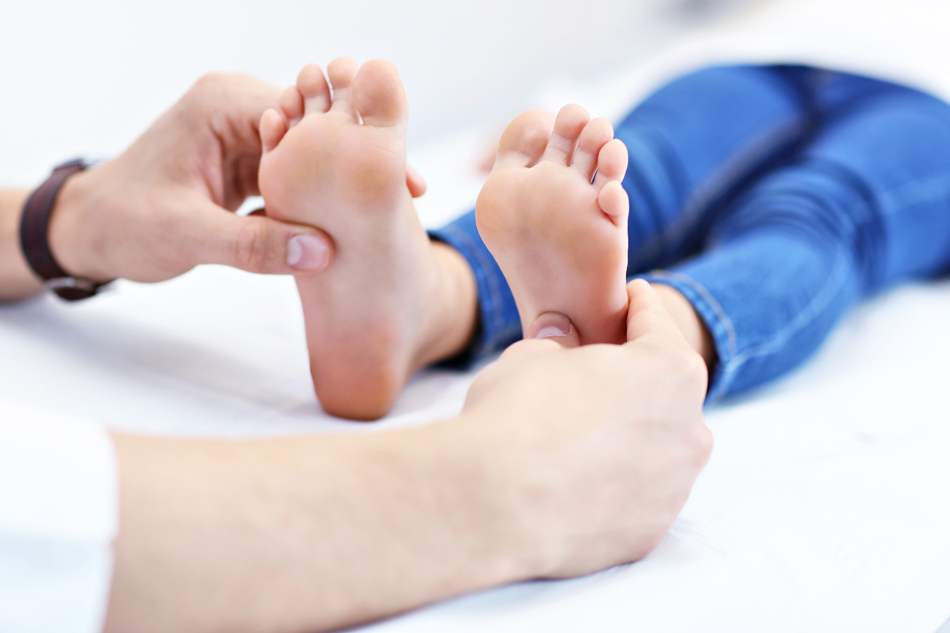
- Sever’s Disease: Pain is localized to the back or bottom of the heel. It worsens during or immediately after physical activity (running, jumping) and improves with rest. Your child may start walking on their toes to avoid putting pressure on their heels.
How is Sever’s Disease Treated?
The good news is that Sever’s Disease is highly treatable and will permanently resolve once the growth plates fuse. Immediate treatments include:
- Rest and Ice: Reducing high-impact activities until the pain subsides.
- Heel Cups or Orthotics: Cushioning the heel and slightly elevating it to take tension off the Achilles tendon.
- Stretching: Gentle calf stretches to relieve tightness.
Don’t let heel pain sideline your child. If heel pain is impacting their active lifestyle, visit Hoyal Podiatry for an accurate diagnosis and rapid relief.