
Serving Utah Valley
Find Relief for Flat Feet & Fallen Arches
Do your feet ache after a long day of standing? Does the inside of your shoe seem to wear out faster than the rest? You may be one of the many people with flat feet or fallen arches. While often painless, this condition can lead to significant discomfort, affecting your knees, hips, and back. At Hoyal Podiatry in Orem, UT, Dr. James Hoyal specializes in evaluating and treating flat feet to alleviate pain and improve your overall body alignment.
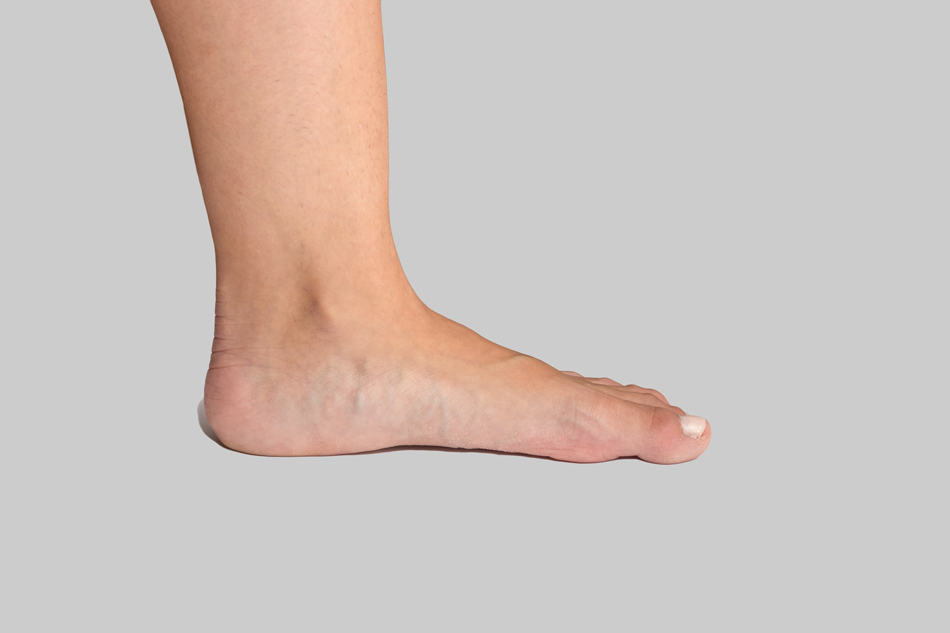
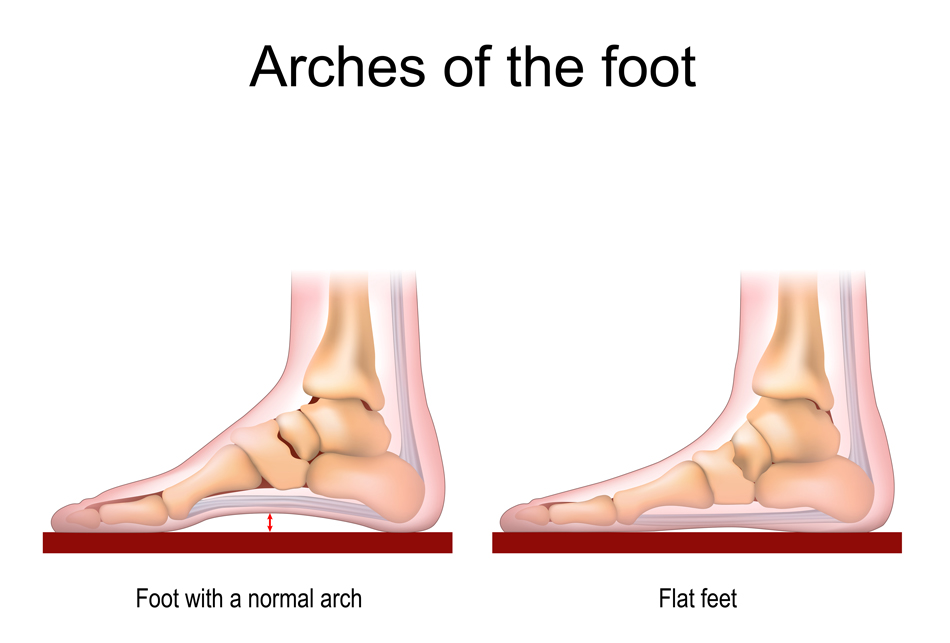
What Are Flat Feet / Fallen Arches?
Flat feet (or pes planus) describes a condition where the arch on the inside of the foot collapses, allowing the entire sole of the foot to touch the floor when standing. This condition is common, and some people are born with it. However, arches can also “fall” later in life due to injury, aging, obesity, or wear and tear on the tendon that supports the arch (the posterior tibial tendon).
Symptoms of flat feet or fallen arches may include:
Pain or ache in the heel or arch area, especially after activity.
Swelling along the inside bottom of the foot and ankle.
Leg cramps or muscle aches in the calves.
General fatigue in the feet and legs.
Pain that extends up the leg to the knee, hip, or lower back due to poor alignment.
A feeling of imbalance or difficulty participating in certain sports.
At-Home Care and Temporary Relief
If your flat feet are causing mild, occasional discomfort, here are a few things you can do at home to help manage the symptoms:
- Supportive Footwear: Always choose shoes that provide excellent arch support and a cushioned sole. Avoid wearing flat shoes, flip-flops, or going barefoot on hard surfaces for extended periods.
- Stretching Exercises: Gently stretch the Achilles tendon and calf muscles. Tightness in these areas can often contribute to the arch collapsing.
- Over-the-Counter Inserts: Basic arch supports or prefabricated insoles can offer temporary relief by providing generic support to the arch.
- Rest and Ice: Apply ice to the affected arch or heel area after periods of heavy activity to reduce inflammation and pain.
When to See a Podiatrist
While some flat feet are asymptomatic, if you begin to experience pain, it’s a sign that the condition is stressing your body and needs professional attention. You should see Dr. Hoyal if:
- You experience chronic, daily pain in your feet, ankles, knees, or hips.
- Your current pain is worsening or interfering with your job or favorite activities.
- You notice that your arch has suddenly fallen or your foot shape has changed.
- You are unable to stand on your toes, which can be a sign of a severe tendon issue.
At Hoyal Podiatry, we will perform a thorough gait analysis and physical examination to determine the exact cause and severity of your condition. The most effective long-term treatment is often custom-made orthotics . These devices are individually crafted to precisely match the contours of your feet, providing the exact support your unique arch needs to restore proper foot function and body alignment.

Don’t let flat feet keep you in pain. Schedule an appointment with Dr. Hoyal today for a professional evaluation and personalized solution.
Ready to Find Relief?
Don’t let foot and ankle pain hold you back any longer. Our experienced podiatrists are here to provide personalized care and effective treatment solutions.