Utah Valley is a runner’s paradise. With miles of paved paths like the Murdock Canal Trail and rugged foothill routes, there is no shortage of places to log your miles. However, the combination of hard pavement, uneven trails, and steep elevation changes can lead to two of the most common running injuries: shin splints and stress fractures.
What is the difference between shin splints and stress fractures?
- Shin Splints: Inflammation of the muscles, tendons, and bone tissue around your tibia. The pain is usually dull, aching, and spread out along the shinbone.
- Stress Fractures: Tiny micro-cracks in the bone caused by repetitive force. The pain is typically sharp, localized to a specific spot, and worsens with weight-bearing activity.
How to Prevent Running Injuries in Utah Valley
To keep your feet and legs healthy while running, follow these best practices:
- Wear the Right Shoes: Ensure your running shoes have adequate shock absorption. Replace them every 300 to 500 miles.
- Increase Mileage Gradually: The “10% Rule” is key. Never increase your weekly running mileage by more than 10% from the previous week.
- Vary Your Surfaces: If you run the paved Provo River Trail every day, mix it up. Run on dirt trails or a high school track to reduce the repetitive impact on your bones.
- Incorporate Strength Training: Strengthen your calves, hips, and core to take the load off your lower legs.
When to See a Podiatrist
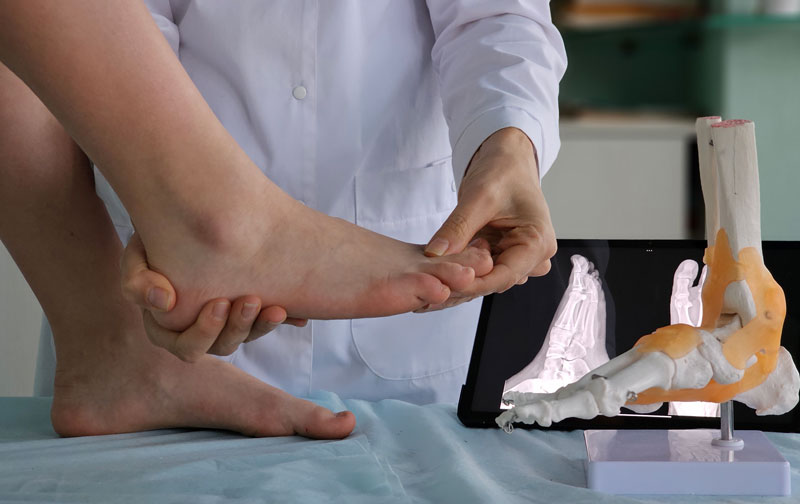
If you experience sharp, localized pain in your shin or foot that does not improve with rest and ice, you may have a stress fracture. Contact Hoyal Podiatry in Orem for a comprehensive evaluation and customized treatment plan for sports-related injuries to get you back on the trail safely.